 FamilyHub
Most family planning happens in the doorway, five minutes before someone has to leave. A short weekly meeting moves that conversation to a calmer moment, and it only works if it stays short.
Pick one fixed time
Choose a slot that already exists, such as Sunday after dinner. A meeting that needs its own scheduling will be skipped within a month. If a week gets missed, do not make it up with a double session. Just run the next one.
Use the same three questions
What is happening this week? Who needs help with something? What do we need to buy or cook? Three questions are enough to surface the school trip form, the late shift and the empty cupboard. Anything bigger can get its own conversation later.
Write it down where everyone can see it
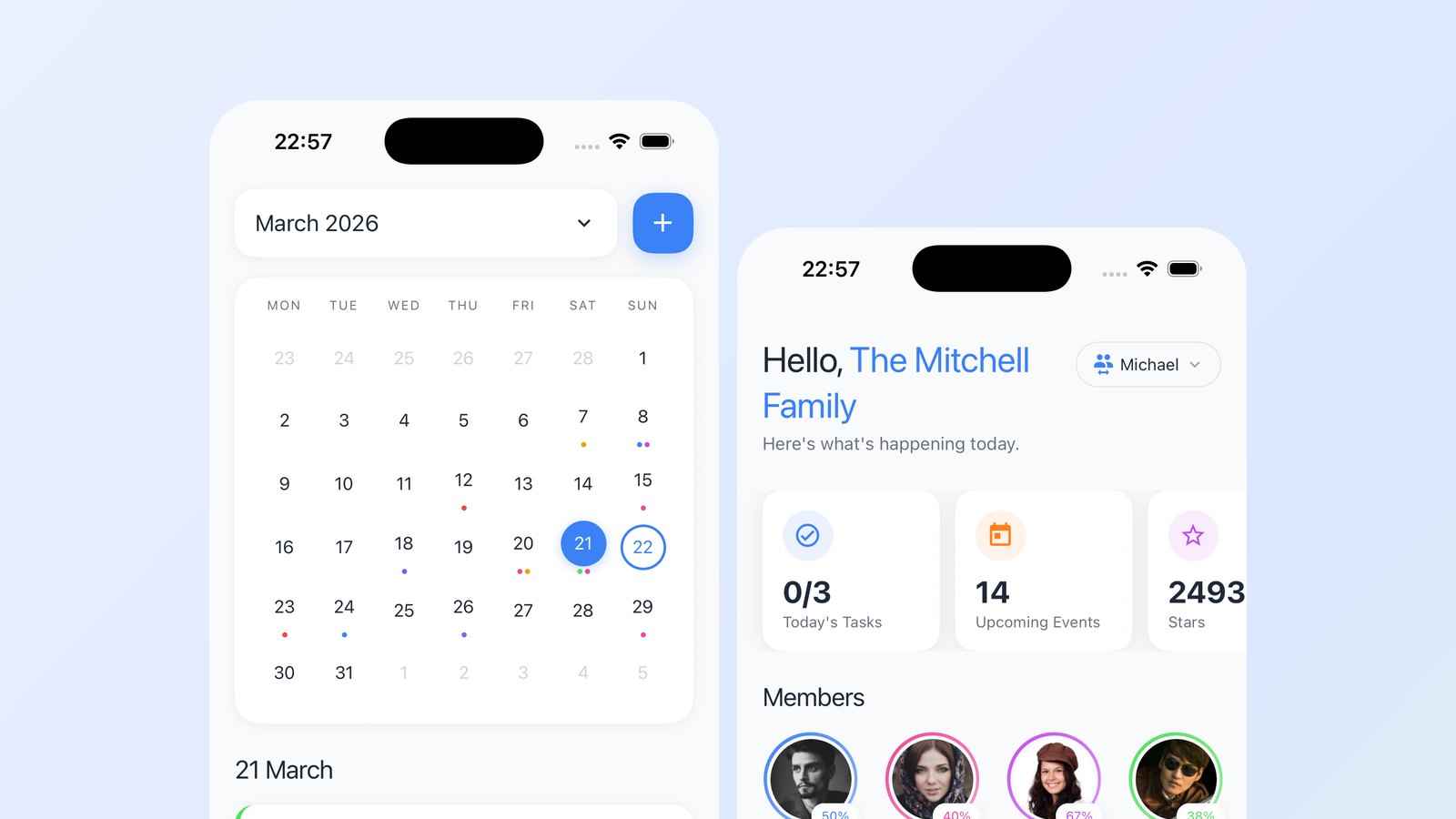
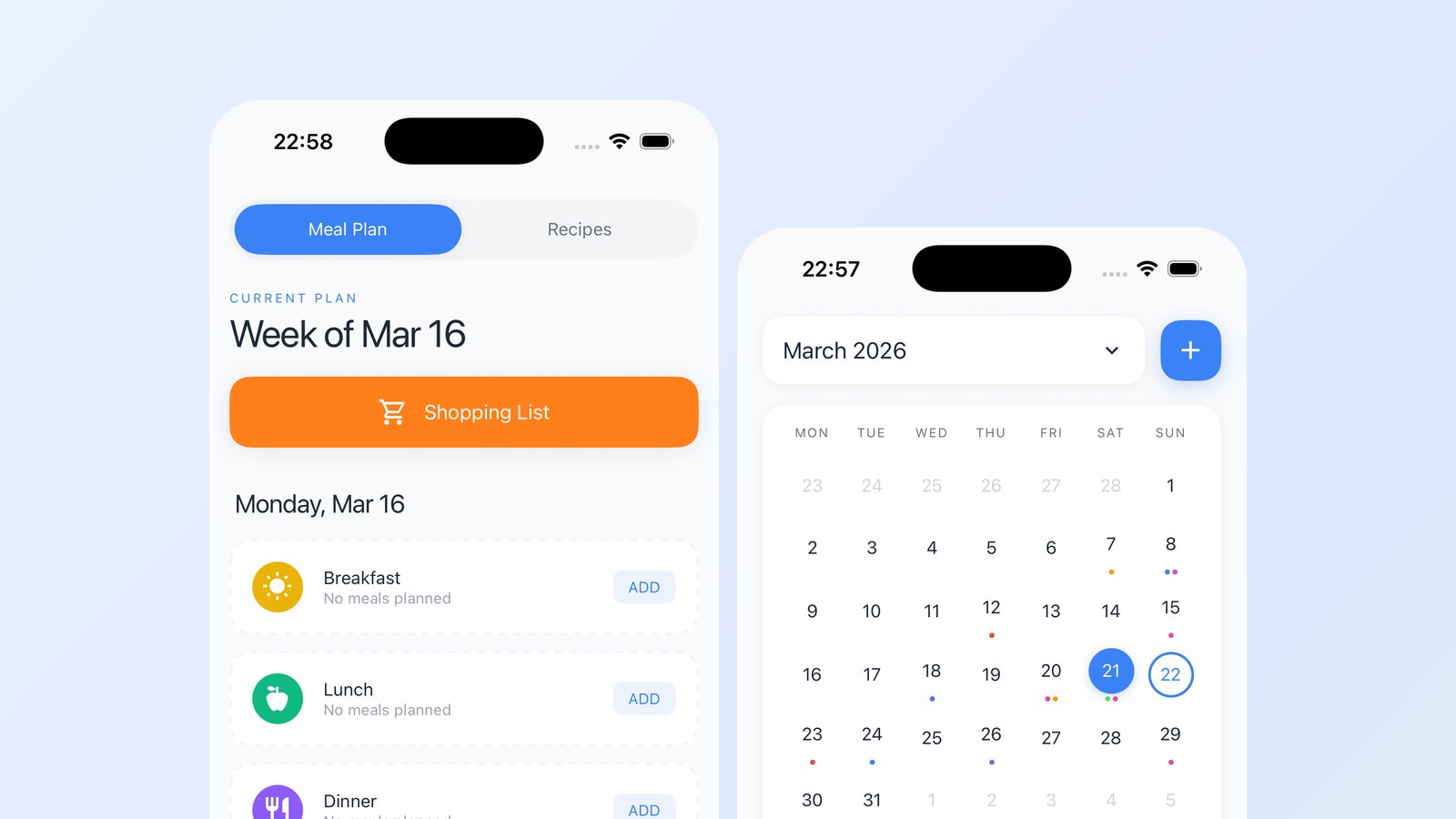
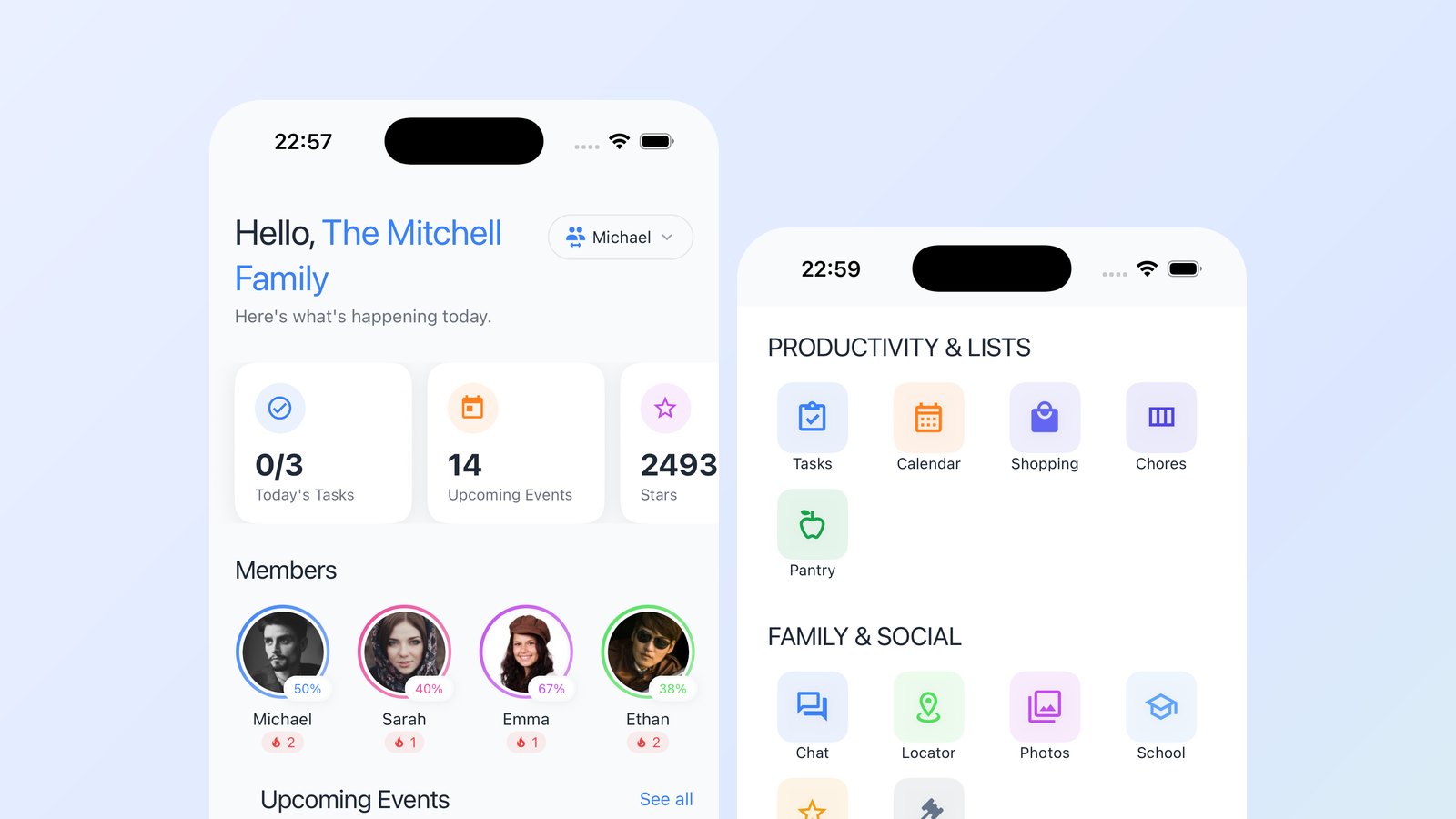
A plan that lives in one person's head is a plan that person has to repeat all week. Put events on a shared calendar, chores on a visible list and meals on a plan. Whatever tool you use, the test is simple: can a child find out what is happening on Thursday without asking?
Let the kids run a part
Give each child one item to report. It can be as small as reading out the days they have training. People attend meetings where they have a part.
Start with two weeks. If the meeting still feels like a chore after that, shorten it or change the time rather than dropping it.